
What is Keratoconus?
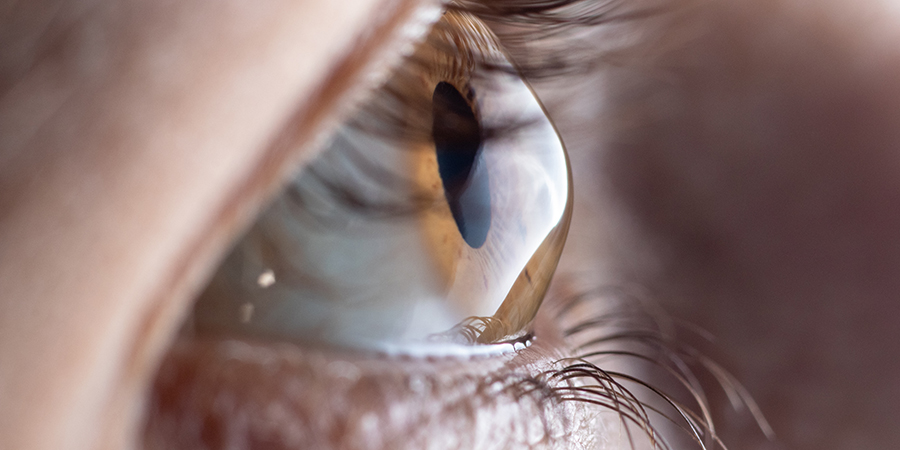
Keratoconus is a disorder where the normally round central or paracentral cornea (the clear outer layer at the front part of the eye) undergoes progressive thinning and steepening, thereby causing blurring of vision due to irregular astigmatism. This layer of the eye is made of collagen that makes it strong, flexible, and also helps to maintain the regular, round shape. A healthy cornea plays a vital role in providing clear vision. The abnormal cone shape of the cornea in Keratoconus prevents the light entering the eye from being focused correctly on the retina and causes distortion of vision. Early detection is important, and timely Keratoconus treatment can help manage the condition and preserve vision.
Causes of Keratoconus
The exact cause of keratoconus is unknown, but it is associated with many causes that include:
- Genetic – Patients with a family history of keratoconus or with certain systemic disorders (e.g., Down syndrome) are at risk of developing keratoconus.
- Long-standing eye inflammation – Allergies and chronic eye inflammation can destroy corneal tissue, leading to keratoconus.
- Frequent eye rubbing – Associated with keratoconus and also a risk factor for progression of the disorder.
Symptoms of Keratoconus
In the early stages, keratoconus causes slight blurring and distortion of vision and increased sensitivity to glare and light. These symptoms usually appear in the late teens or early 20s.
Keratoconus may either be present in one eye only or involve both eyes. Each eye may be affected differently. As keratoconus progresses, the cornea bulges more and vision may become more distorted. In a small proportion of cases, the cornea will swell and cause a sudden and significant decrease in vision.
Diagnosis of Keratoconus
A thorough examination of the eye by scheduling a visit to the ophthalmologist can help detect this condition in the early stages itself. Tests may include:
Slit lamp examination
Refraction
Corneal topography – A test to measure the curvature of the cornea
Corneal pachymetry – Measures the thickness of the cornea
These tests help your doctor confirm the diagnosis and discuss the appropriate treatment options.
Treatment for Keratoconus
Eyeglasses or soft contact lenses may be used to correct the mild nearsightedness and astigmatism caused by the early stages of keratoconus.
Specialist Ophthalmologist at Dr. Sirajudeen Medical Centre.